
As the world grapples with the pressing need for sustainable solutions, India is leading the charge with innovative products that promote a zero-waste future. Among these innovations are edible utensils, which are gaining popularity as a practical and eco-friendly alternative to traditional disposable cutlery. This movement towards sustainability not only addresses the growing plastic pollution crisis but also aligns with India's rich cultural heritage of environmental stewardship. Here’s how India’s edible utensils are paving the way for a zero-waste future.
1. Tackling Plastic Pollution
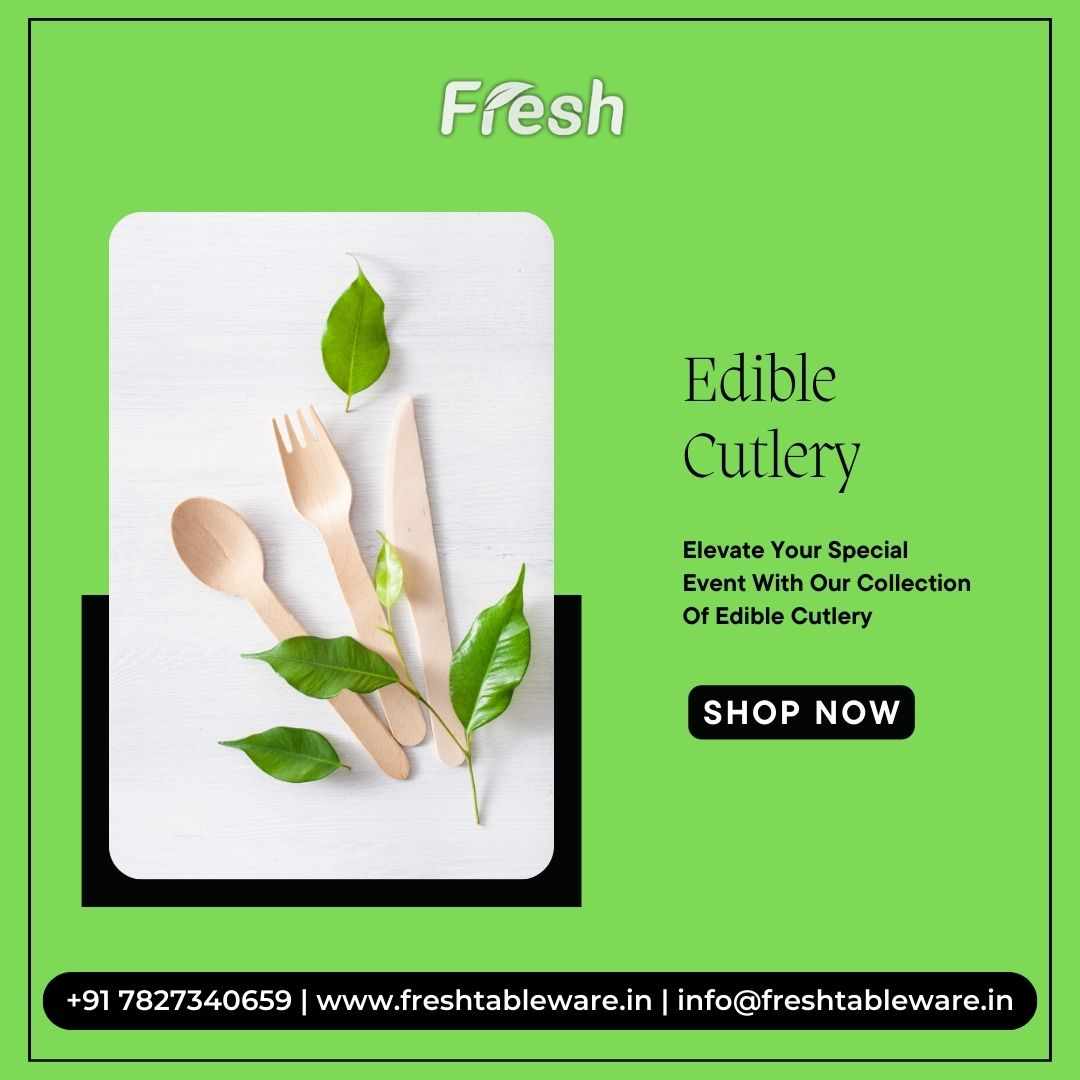
Plastic pollution is a global crisis, with single-use plastics being a major contributor. In India, the situation is particularly dire, with millions of plastic utensils discarded daily, often ending up in landfills or waterways. Edible utensils, made from natural ingredients like rice, wheat, and millet, offer a sustainable solution. These biodegradable alternatives decompose naturally, reducing the environmental burden and helping to preserve the country's natural beauty.
2. Promoting Sustainable Agriculture
The production of edible utensils in India supports sustainable agricultural practices. Many edible cutlery manufacturers source their raw materials from local farmers, encouraging the cultivation of crops like millets and sorghum, which are both drought-resistant and environmentally friendly. This not only provides farmers with a stable income but also promotes crop diversity and soil health.
3. Enhancing Food Security
Edible utensils can play a role in enhancing food security by providing an additional source of nutrition. Made from nutrient-rich ingredients, these utensils can be consumed entirely, offering a healthy addition to the diet. In a country where food security remains a critical issue, the dual functionality of these utensils—serving as both a tool and a food source—can be particularly beneficial.
4. Encouraging Innovation and Entrepreneurship
The rise of edible utensils in India has spurred innovation and entrepreneurship. Startups and small businesses are leading the way, developing new recipes and production methods to create durable and tasty edible cutlery. This entrepreneurial spirit is fostering a culture of innovation, driving economic growth, and providing new employment opportunities, especially in rural areas.
5. Cultural and Environmental Advocacy
India’s tradition of using natural materials for everyday items, such as banana leaves for plates, aligns seamlessly with the concept of edible utensils. This cultural heritage is being revitalized and modernized, advocating for a return to eco-friendly practices. By embracing edible utensils, India is not only preserving its cultural legacy but also setting a global example of how traditional wisdom can inform modern sustainability efforts.
6. Educational and Awareness Campaigns
The adoption of edible utensils is accompanied by educational campaigns that raise awareness about the importance of reducing plastic waste. Schools, universities, and community organizations are actively involved in promoting the benefits of edible cutlery, fostering a sense of environmental responsibility among the younger generation. These initiatives are crucial for building a sustainable future, as they cultivate eco-conscious mindsets from an early age.
7. Practical and Versatile
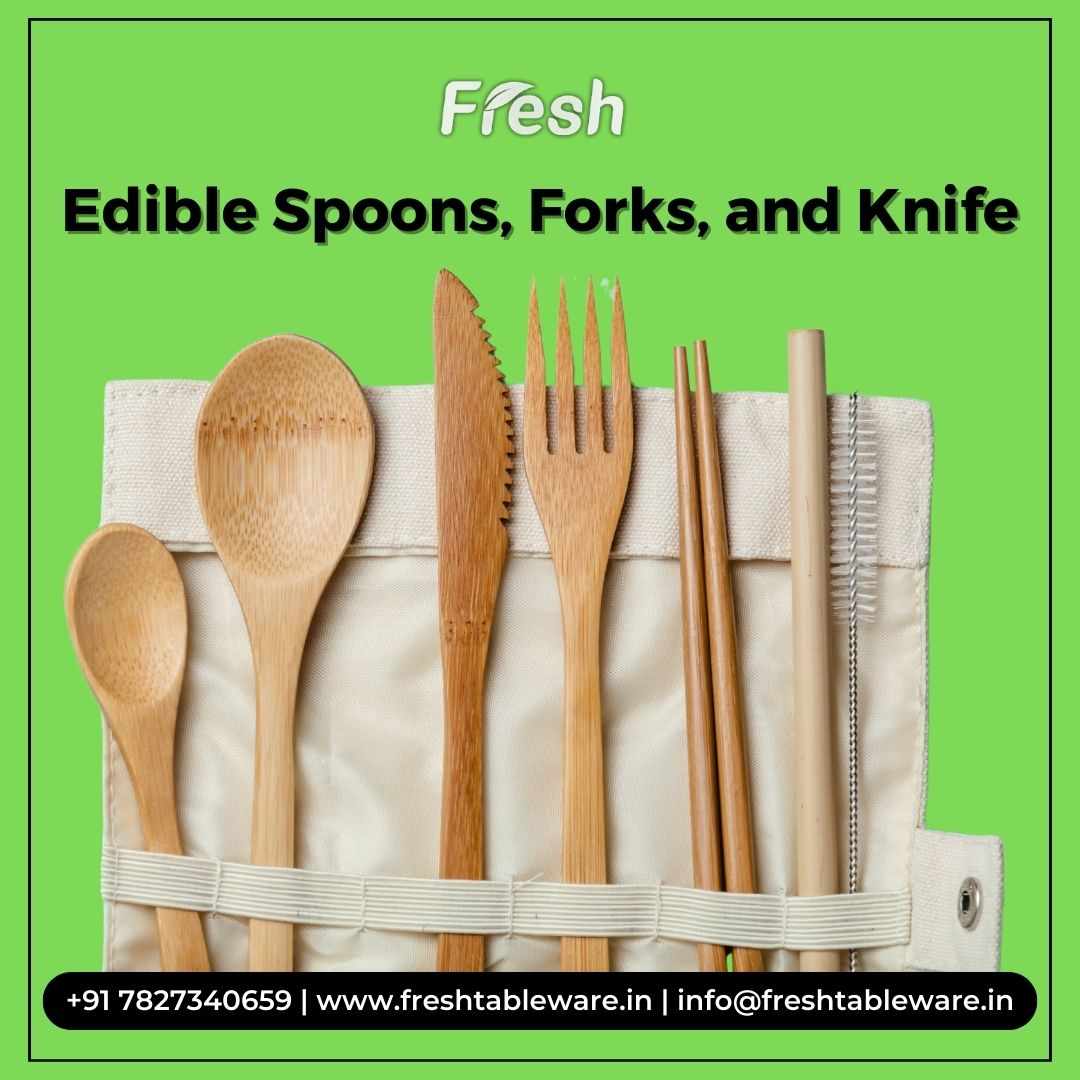
Edible utensils are practical and versatile, suitable for a variety of culinary uses. They can be used for hot and cold dishes, making them ideal for diverse Indian cuisines. Their sturdy design ensures they function effectively as utensils, while their edible nature adds an element of novelty and enjoyment to the dining experience. This practicality enhances their appeal, encouraging widespread adoption.
Conclusion
India’s edible utensils are a beacon of hope in the quest for a zero-waste future. By addressing plastic pollution, promoting sustainable agriculture, enhancing food security, encouraging innovation, and aligning with cultural values, these innovative products demonstrate the power of sustainable practices. As the world looks for effective ways to combat environmental challenges, India’s edible utensils point the way forward, offering a practical, nutritious, and eco-friendly solution that can inspire global change. Embracing these sustainable alternatives is not just a step towards reducing waste, but a leap towards a healthier, more sustainable planet.

Write a comment ...