
As the world grapples with the environmental crisis posed by plastic waste, innovative solutions are emerging to combat this growing threat. One such innovation is edible cutlery, a sustainable alternative that is gaining traction in India. Freshtableware, a pioneer in this field, is at the forefront of promoting and producing edible cutlery. This article explores how edible cutlery is supporting India in its fight against plastic waste.
The Plastic Waste Crisis in India
India, with its vast population, generates a significant amount of plastic waste. Single-use plastic cutlery, commonly used in the food and beverage industry, contributes to this problem. These plastics take hundreds of years to decompose, leading to environmental pollution and harm to wildlife. Addressing this issue requires innovative and sustainable solutions.
The Emergence of Edible Cutlery
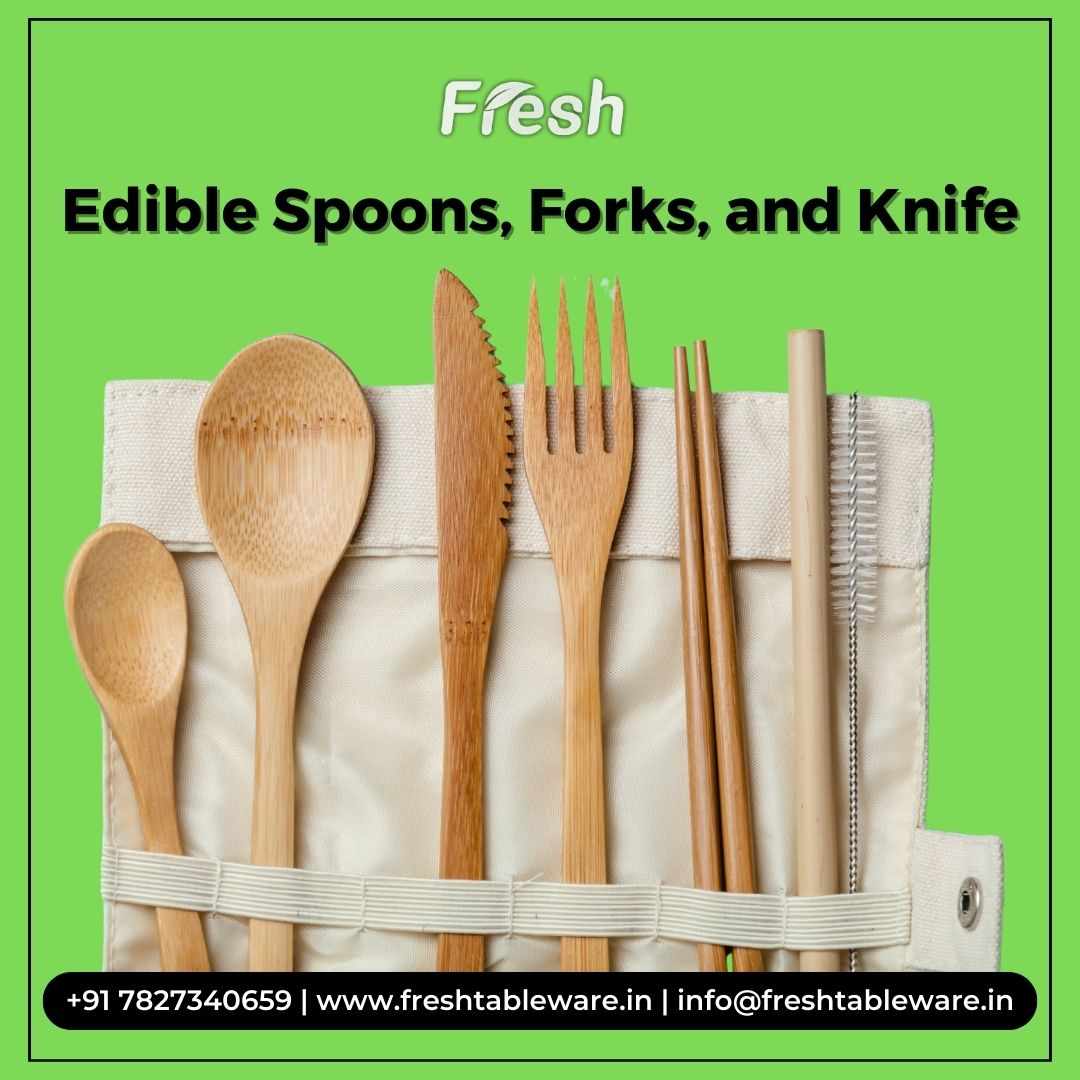
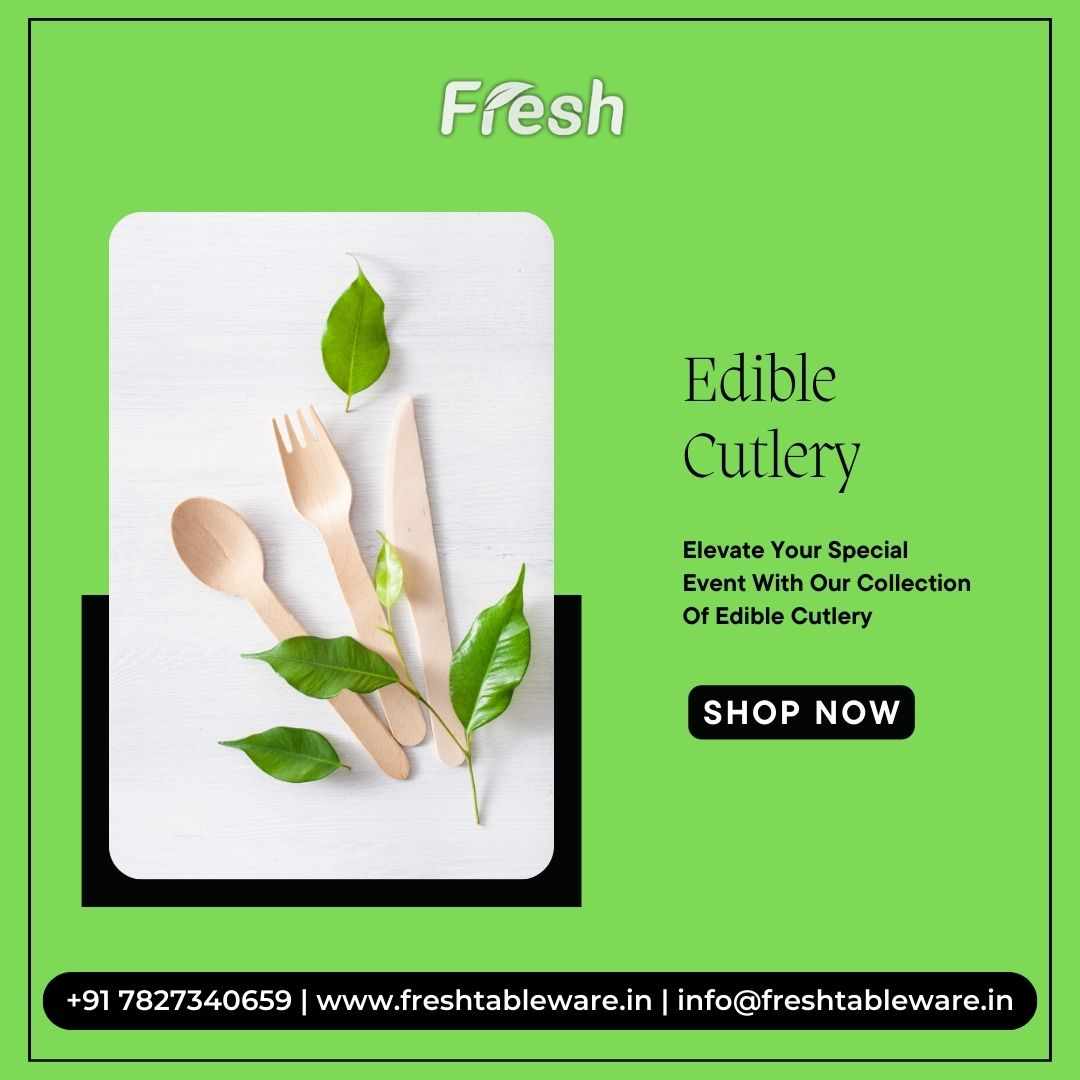
Edible cutlery is a revolutionary concept where utensils are made from edible ingredients. These utensils can be consumed after use or disposed of without causing environmental harm. Freshtableware has developed a range of edible cutlery products, offering a practical and eco-friendly alternative to traditional plastic cutlery.
The Production Process
Selection of Ingredients
Freshtableware uses a variety of natural, food-grade ingredients to produce their edible cutlery. Common ingredients include grains like rice, wheat, and millet, as well as natural flavors and binders. These ingredients are carefully selected to ensure the cutlery is not only functional but also tasty.
Mixing and Molding
The ingredients are mixed to form a dough, which is then molded into the desired shapes of spoons, forks, and knives. Freshtableware employs advanced molding techniques to ensure that the cutlery is durable and can withstand the rigors of use.
Baking and Drying
The molded cutlery is baked at controlled temperatures to achieve the right balance of hardness and texture. This process also ensures that the cutlery has a long shelf life without the need for preservatives. Once baked, the cutlery is thoroughly dried to remove any residual moisture.
Quality Control and Packaging
Each piece of edible cutlery undergoes stringent quality control checks to ensure it meets Freshtableware’s high standards. The cutlery is then packaged using eco-friendly materials, ready for distribution.
Benefits of Edible Cutlery
Environmental Impact
Edible cutlery significantly reduces plastic waste. By choosing products from Freshtableware, consumers and businesses can contribute to reducing the environmental footprint associated with single-use plastics. The cutlery is biodegradable and compostable, breaking down naturally without harming the environment.
Health and Safety
Freshtableware’s edible cutlery is made from natural ingredients, free from harmful chemicals and toxins. This makes it safe for consumption and reduces the risk of chemical contamination associated with plastic cutlery.
Versatility and Convenience
Edible cutlery is suitable for a wide range of foods, from hot soups to cold desserts. It can be consumed after use or disposed of in an eco-friendly manner, providing a convenient and sustainable dining solution.
Supporting India’s Fight Against Plastic Waste
Freshtableware’s edible cutlery is playing a crucial role in supporting India’s efforts to combat plastic waste. By providing a viable alternative to single-use plastics, Freshtableware is helping to reduce the environmental impact of disposable cutlery. Additionally, the production of edible cutlery promotes the use of sustainable agricultural practices and supports local economies.
Conclusion
Edible cutlery from Freshtableware is more than just a novelty; it is a practical and impactful solution to the pressing issue of plastic waste in India. By choosing edible cutlery, consumers can make a positive contribution to the environment and support the country’s efforts to achieve sustainability. As awareness and adoption of these innovative products grow, India is taking significant steps towards a greener and more sustainable future.

Write a comment ...